Website Cost Depends on Value, Not Just Price
One of the most common questions business owners ask is how much a website should cost. The answer varies widely, but the real factor is not just the price—it is the value the website provides. A website can either be a simple online presence or a tool that actively generates leads and helps your business grow. That difference is what determines whether a website is worth the investment.
Many business owners focus too heavily on upfront cost. While that is understandable, it can lead to decisions that limit long-term growth. A website should not be compared like a basic product, because not all websites are built the same. Some are designed to simply exist, while others are built with strategy, SEO, and conversion in mind.
Why Cheap Websites Can Cost More Over Time
Low-cost websites often rely on templates, minimal customization, and little to no strategy. While they may look acceptable at first, they usually lack the structure needed to perform well on search engines or convert visitors into customers. This creates a hidden cost that many businesses do not realize until later.
A cheap website may struggle with:
- poor SEO visibility on Google
- slow loading speeds that drive users away
- generic design that does not build trust
- lack of clear calls-to-action
Over time, these limitations can result in fewer leads, lower conversions, and missed opportunities. Many businesses eventually find themselves rebuilding their website entirely, which ends up costing more than doing it correctly from the start.
What a High-Quality Website Actually Includes
A professional website is built with purpose. It is not just about how it looks, but how it performs. A well-built website is designed to attract traffic, guide users, and convert them into customers.
A high-quality website typically includes:
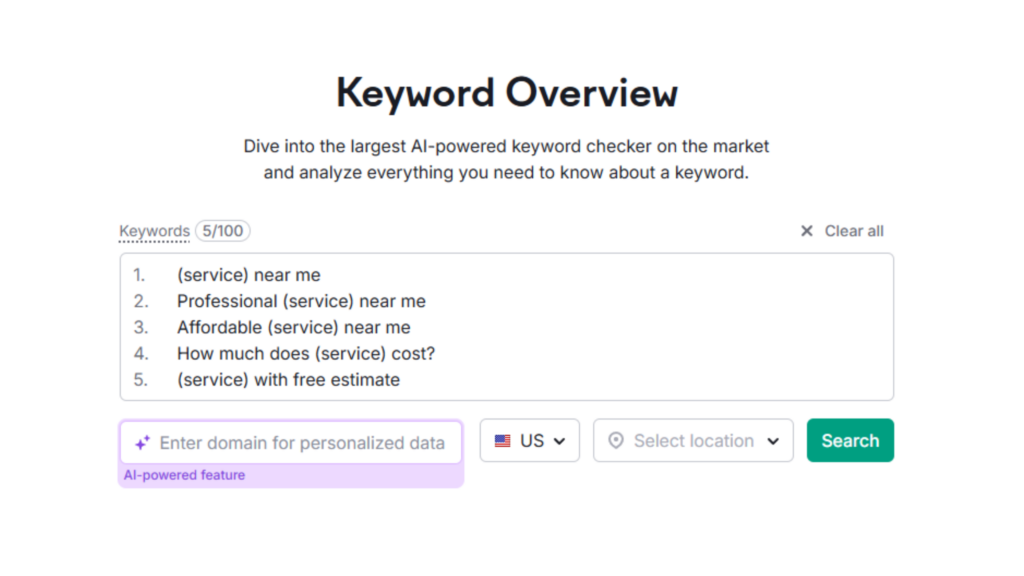
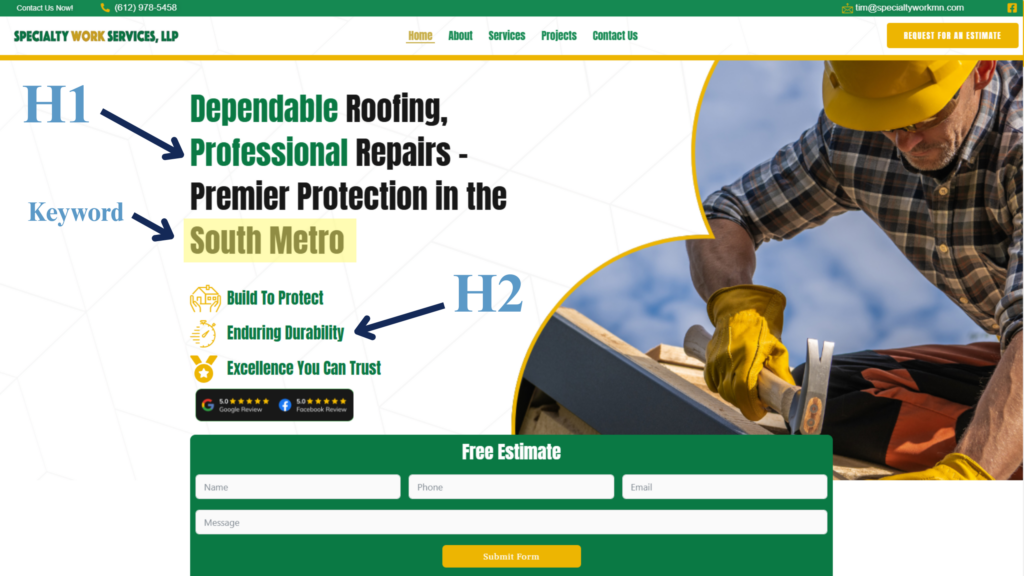
- SEO-focused structure and keyword targeting
- fast performance and optimized loading speed
- mobile responsiveness across all devices
- conversion-focused layout and user flow
- clear messaging and strong branding
Each of these elements plays a role in how your website functions as a business tool. When combined, they create a system that supports growth rather than limiting it.